
A final heartfelt confession
If you had no tomorrow, how would you bid farewell to the world?
How would you look back on what you left for the world?
How would you hope that your living beloved would love another person, as if accustomed to loving you?

Eugene O'Neill's wife said that when he wrote "Long Day's Journey into Night," he locked himself in a room, tormented by past memories. He poured his life into the play, where on stage, there was a mother addicted to morphine due to illness, constantly haunted by the drug's craving like a ghost. The father and brother were alcoholics, and the family, in the pain of love and loss, felt unable to find peace, groaning endlessly. But in this family tomb, there was actually a... dog?!

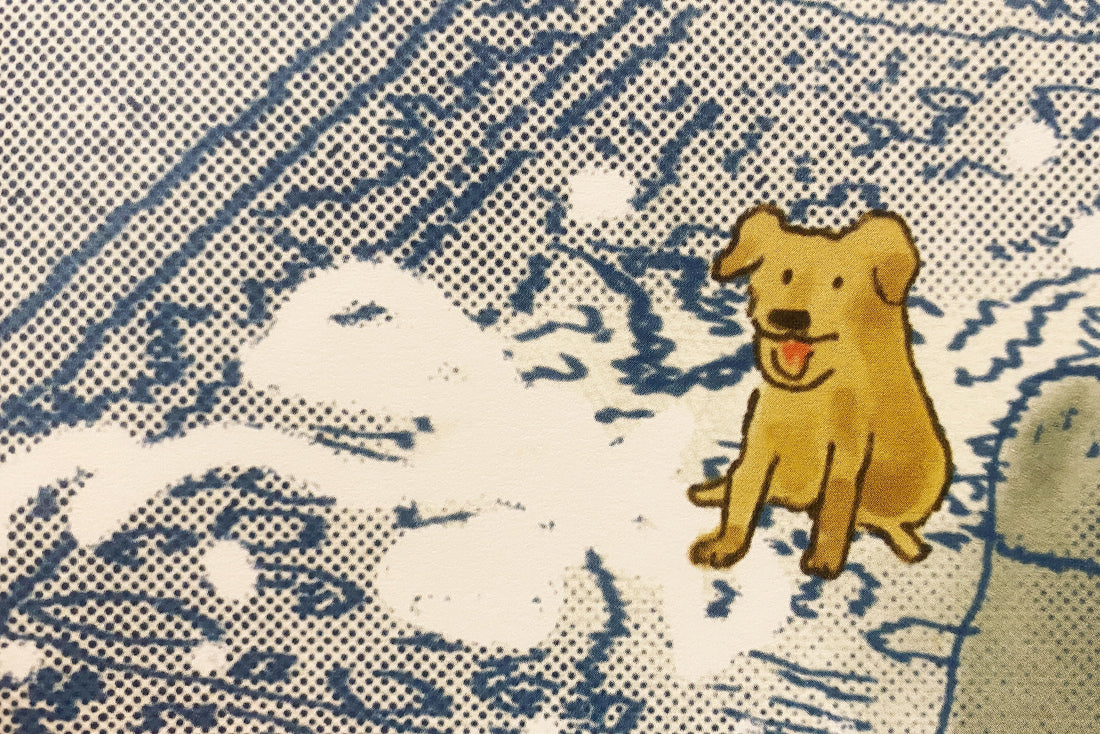
"The Last Will and Testament of an Extremely Distinguished Dog" seems to be an outlet, dismantling the various shortcomings of human love. It recounts the story little by little from a dog's perspective.
"I have nothing of value to give to others, except my love and loyalty."
"My sadness comes from leaving those I love, not from death."
"What I hope to feel is that once this family had me, they couldn't live without a dog!"

Reading Eugene O'Neill's "The Last Will and Testament of an Extremely Distinguished Dog," I wonder if it's because the protagonist bidding farewell to the world is no longer a "human," making the view of the world immensely broader. On the eve of its death, it doesn't discuss wealth with you; it doesn't have selfish favoritism in its afterlife. Instead, it hopes its owner will carry the habit of owning a dog, interacting with a dog, and loving a dog into the future (it even imagines the dog's life of this "successor"). Isn't this completely opposite to human life and death?

And do these little details truly bring readers peace? Actually, no, not really. We are all under different lights, remembering the "it" we once had. (No choice... as a human, I am terribly weak. Either I'm missing it, or I'm on the way to missing it...) (Cries)
-