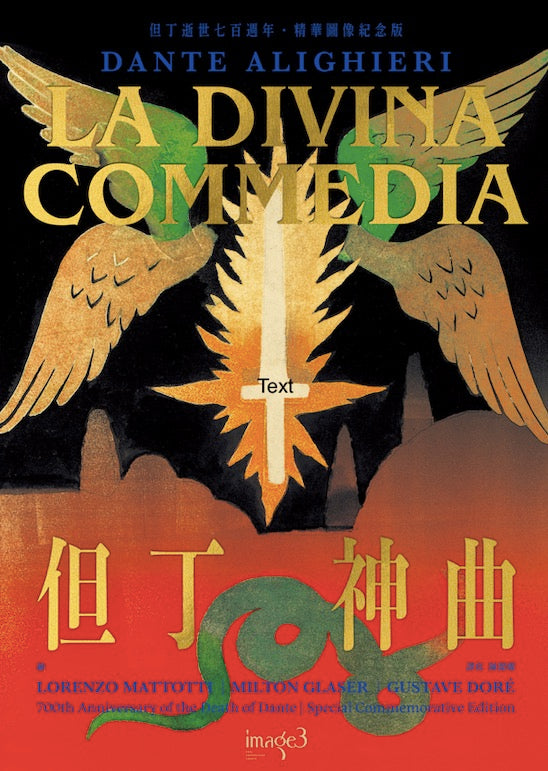

Dante's Divine Comedy
Dante's Divine Comedy
Couldn't load pickup availability
Dante's Divine Comedy, the fount of Italian literature and the lifeline of European and American literature, describes how the poet, a genius of linguistic prowess, found himself like a rudderless boat in a storm, exiled due to political strife in a turbulent world. Amidst his wandering, he furiously took up his pen, traversing the heavens and the earth, crossing the boundaries of ordinary consciousness, and embarking on an illusory journey through Hell, Purgatory, and Paradise. He witnessed the sins and disasters of Hell, experienced the repentance and enlightenment of Purgatory, and personally visited the resplendent Paradise of ultimate good, all to defend the beliefs shattered by a corrupt era and to question the most noble human aspirations.
This illusory journey, a rebirth from the brink of death, is filled with lyricism amidst hardship. From the despair of a fallen Hell to the dreamlike Paradise of ultimate good, amidst descent and ascent, The Divine Comedy reveals every emotion that "humanity" can experience, and brings forth countless vivid visual images. For centuries, it has inspired numerous subsequent artists to depict the profound visions created by Dante. In the last chapter of The Divine Comedy, Dante himself states that the vision he conceived might be beyond the power of his pen to describe. This is not only the poet's modesty but also reveals that the brilliance of The Divine Comedy might have surpassed what words can express. Based on this, this book is arranged with images taking precedence, primarily using visual language to join the grand exploration of the visions of The Divine Comedy — the three realms are interpreted by three top artists, each drawing on their own sensibilities and imagination, injecting their extremely vivid feelings and insights into The Divine Comedy.