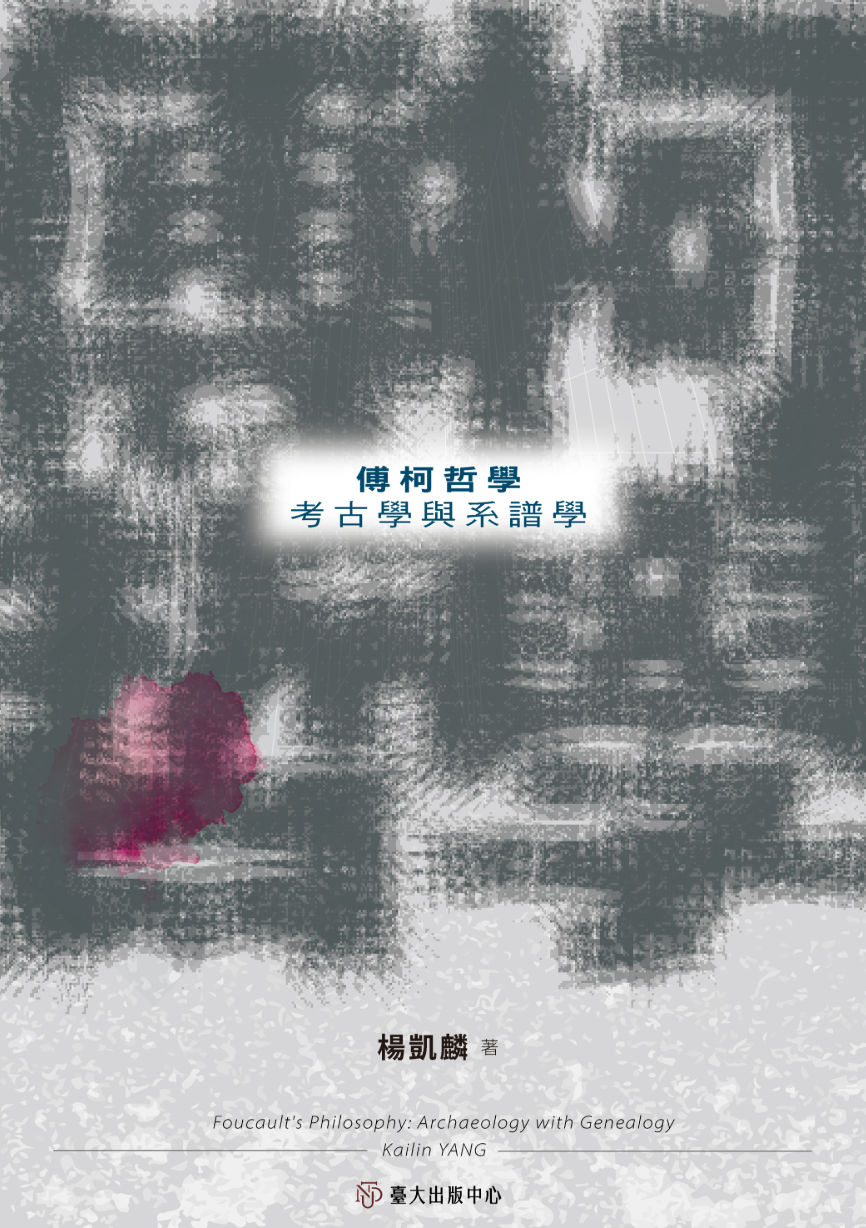

Foucault's Philosophy: Archaeology and Genealogy
Foucault's Philosophy: Archaeology and Genealogy
Couldn't load pickup availability
"Doing philosophy" can take many forms, and philosophers differ. For Foucault, it is a critique and reflection on what we think, do, and are today, fundamentally questioning "What are we?" and "What is our thought?"
Starting with Madness and Civilization, through The Order of Things and The Archaeology of Knowledge to The Use of Pleasure, Foucault masterfully unfolds winding intellectual paths and lines of force, spanning the history of madness, sexuality, prisons, power relations, and technologies of the self. The archaeology of silence, the garrulousness of sexuality, thought without thought, the birth and death of man... Paradoxical propositions trigger positive and negative inversions of thought and transformations of problems, with the problem of man becoming a sophisticated way of doing philosophy. A single book or article can be a case study of Foucault's philosophy; no single work can define Foucault alone, yet all reflect facets of his rich thought, revealing the radical nature of his writing and transgression.
Foucault viewed philosophy as a diagnosis of the present, aiming to create a future of difference and transformation, and realizing the essence of philosophy through intellectual self-adventure and self-transcendence. This book considers archaeology and genealogy as unique methods of Foucault's philosophical inquiry, deeply analyzing his works to construct an understanding of the reflexivity and criticality of Foucault's thought, as well as his unique insights and intellectual paths regarding issues of modernity.