
Dashu, remember me
Dashu, remember me
Couldn't load pickup availability
If you don't cherish it, you'll regret it!
Let us treat all things with cherishment and tolerance, and thank the objects around us.
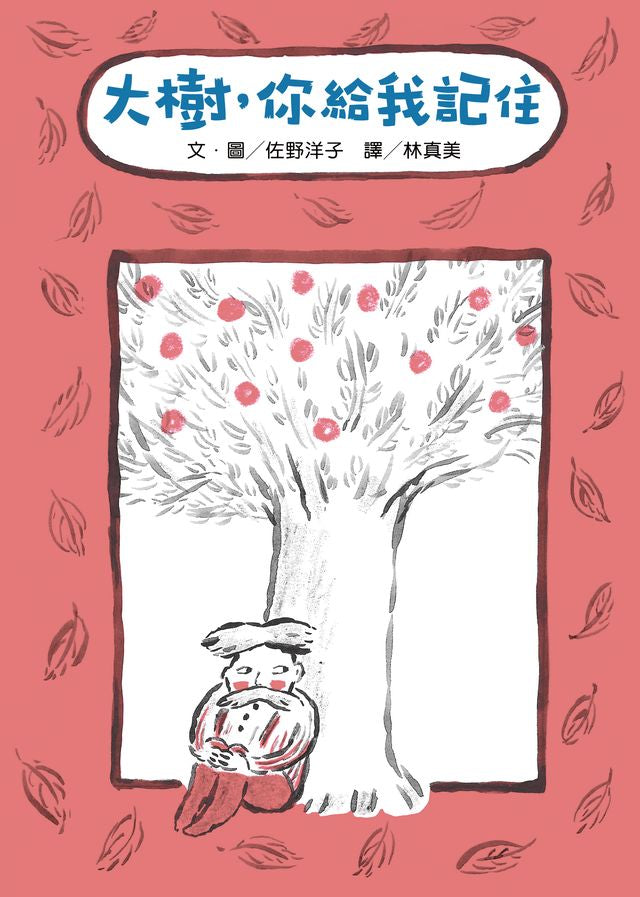
In front of an old man's house stood a very beautiful big tree. The old man was woken up by the birds in the tree every day, and he hung clothes, brewed tea, and slept under it. In autumn, he would roast sweet potatoes with fallen leaves and enjoy the fruits of this big tree. Although the old man utilized the tree very thoroughly, he said he couldn't stand it. Because he always only saw the small inconveniences the tree brought him, he would always roar at the tree, "Big tree, you mark my words!"
One snowy day, the old man, unable to bear it any longer, actually cut down the big tree... What changes would the old man experience after losing the big tree? Would he be happier because of it?
The story "Big Tree, You Mark My Words" describes an old man living in a small house next to a big tree. He enjoys the benefits the big tree brings but also resents the inconveniences it causes. In a fit of anger, he actually cuts down the big tree. The old man finally resolves the inconveniences caused by the big tree, but at the same time, he loses even more of the benefits the big tree provided. A big tree is like everything in the world; it has both advantages and disadvantages. When appreciating and enjoying the advantages, one should not only cherish them but also embrace the disadvantages with an attitude of tolerance. It's like loving someone; you must accept both their strengths and weaknesses. Don't be like the old man in the story, who only wanted to enjoy the benefits, was unwilling to tolerate the disadvantages, and even impulsively cut down the tree to avoid trouble, only to end up hugging the tree stump and weeping with regret.
Cherishing and tolerance are recurring story themes, but in this work, Yoko Sano uses a rash, ill-tempered old man as the protagonist. With the old man cutting down the big tree as a significant turning point in the story, contrasting before and after, accompanied by minimal text and simple illustrations, the reader feels even more strongly the regret of loss when one fails to cherish something, thereby understanding the spirit and importance of caring for things.