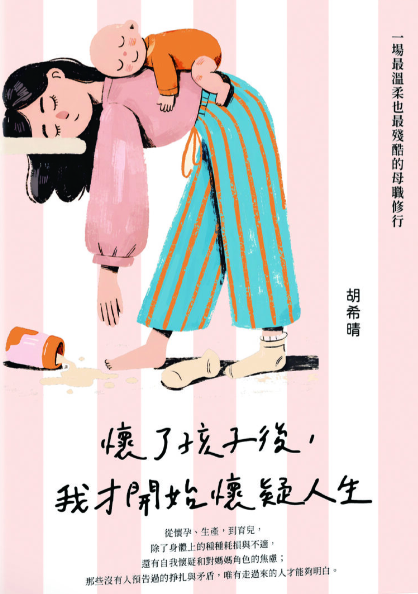

It wasn't until I became pregnant that I started to question life: Motherhood, the most tender yet most brutal修行.
It wasn't until I became pregnant that I started to question life: Motherhood, the most tender yet most brutal修行.
Couldn't load pickup availability
From pregnancy and childbirth to raising children,
in addition to various physical strains and discomforts,
there are also self-doubt and anxiety about the role of a mother;
the struggles and contradictions that no one warned about can only be understood by those who have gone through them.
You might think that after the trepidation of pregnancy and the dramatic but ultimately safe childbirth, you can finally breathe a sigh of relief. Little do you know that after being wheeled out of the delivery room, the real test has just begun—long-term sleep deprivation, hormonal fluctuations and "mommy brain," as well as bothersome physical conditions like mastitis and urinary incontinence. Life transforms from being neat and orderly into chaos; behind the happiness, there are moments of vulnerability and confusion that strike without warning during exhausting days.
From assisting in deliveries to now experiencing pregnancy and childcare herself, this former emergency room doctor only realized after giving birth to her daughter that the challenges of "motherhood" are far more physically and mentally exhausting than any sleepless night shift; it is not just a change in identity, but a re-acquaintance with one's body, self, and life.
"After becoming a mother, I discovered that life is not always gentle and bright as I imagined. More often, it is exhausting, mentally draining, a form of almost self-inflicted hardship, yet a selfless contribution. She also taught me what it means to willingly give everything, a truly unconditional love."
//After childbirth, various unprecedented changes began to appear throughout my body: wrist inflammation from prolonged support of the baby's head and neck, tense shoulders and lower back pain from extended breastfeeding; rashes in skin folds, waking up in a sweat in the middle of the night, unusual hair growth; even moles hidden in dark places quietly grew larger.
Sleep was fragmented, and hormonal changes not only had physiological effects but also magnified emotions—watching my daughter quietly would move me to tears, and I would break down crying over trivial matters; a few months later, I also found myself experiencing significant hair loss, stagnant weight, darker under-eye circles, and the return of menstruation...//
//Every time the baby cried, the first thing my family would ask was: "Is she hungry? Didn't she drink enough earlier?" Although meant with concern, to my particularly sensitive self at the time, it sounded like accusations. Even though my daughter might just need comforting, I couldn't help but doubt my milk supply and felt I wasn't fulfilling my feeding responsibilities. //