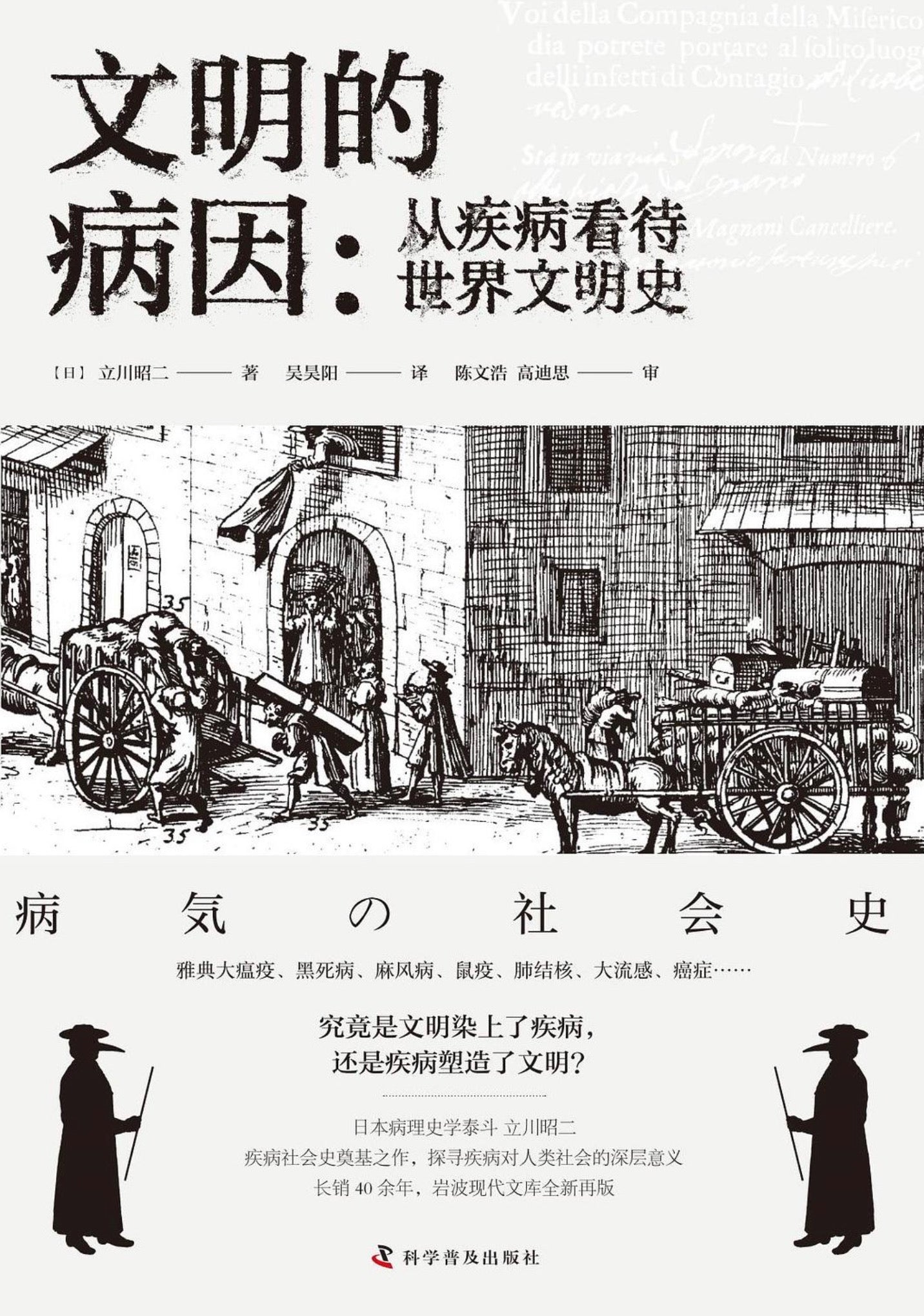

The Pathology of Civilizations: A World History of Civilizations Through the Lens of Disease
The Pathology of Civilizations: A World History of Civilizations Through the Lens of Disease
Couldn't load pickup availability
Diseases belong to society and civilization, and society and civilization have a history, so diseases also have a history.
Disease concerns the life and death of every individual, and from a personal perspective, its importance is comparable to the entire world. Similarly, disease is also a major event for "society" and "civilization," and it is also a major event in human history. Civilization creates disease, and disease in turn shapes civilization; the two complement each other in a cyclical relationship.
Through tracing the progression of disease and civilization, renowned Japanese pathological historian Tachikawa Shoji reveals how world history intersects with various regional diseases and pandemics, and their subsequent impacts. Behind critical turning points in global history, there are often shadows of certain diseases. Ancient Greek diseases, leprosy, plague, syphilis, tuberculosis, the Great Flu, cholera, cancer... Why did these well-known diseases become global catastrophes? And what kind of impact did they have on the countries and eras in which they occurred?
This is a highly acclaimed work on the social history of disease in Japanese academia. Through rich details, data, and historical materials, it depicts terrifying plagues and new "difficult and complex diseases" that constantly trouble people, and delves into the origins of disease and its meaning for humanity.