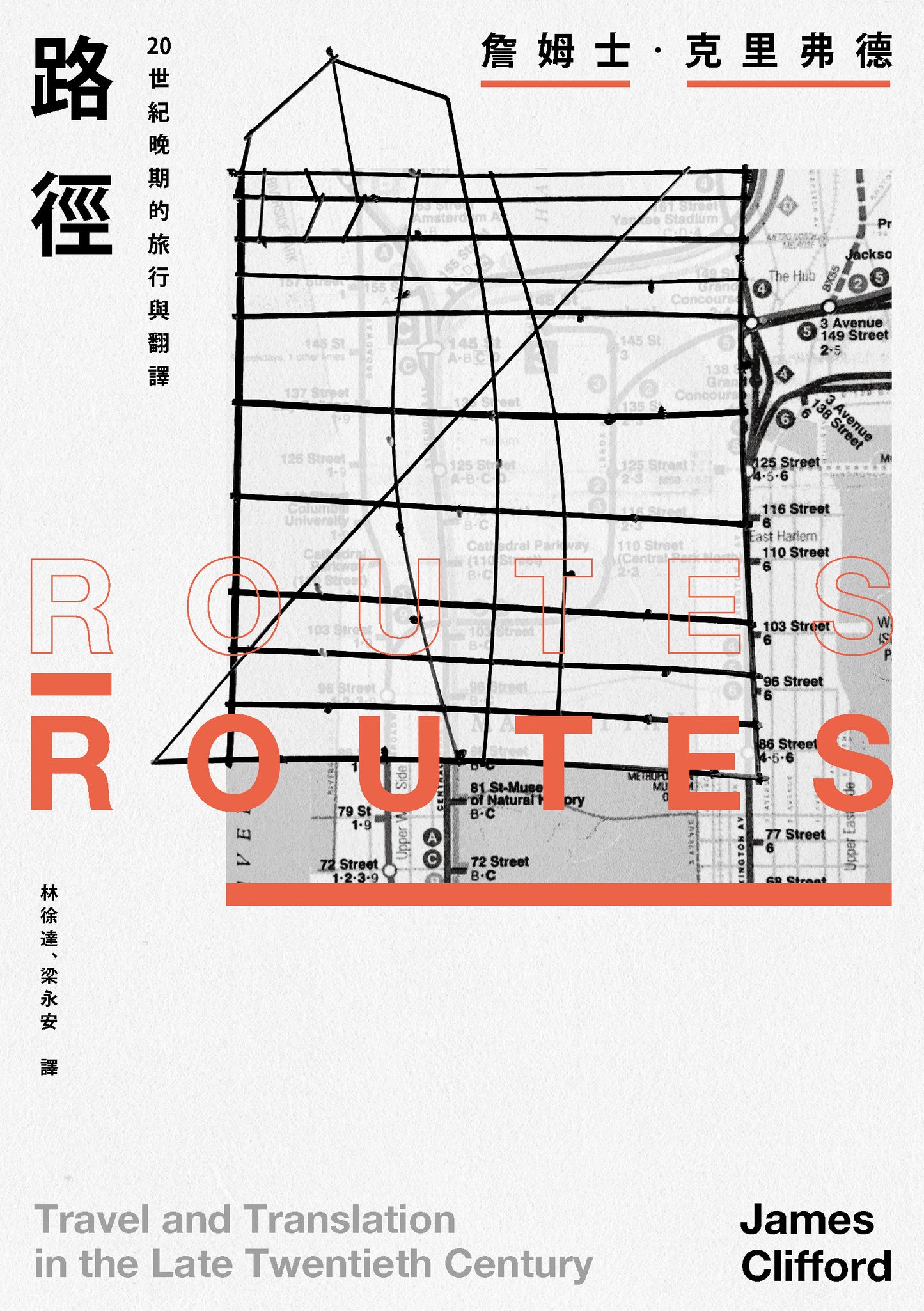

Pathways: Late Twentieth-Century Travel and Translation
Pathways: Late Twentieth-Century Travel and Translation
Couldn't load pickup availability
Who decides where and when a community draws a line separating "us" from "them"?
Can we consider "movement" a constitutive element of culture, and ethnic groups as interactive and open "processes of formation"?
Human location is constituted not only by stasis but also by displacement. Travels and contacts are key to the unfinished study of modernity.
What survival and interaction skills can we discover in these comings and goings? What resources are available for a diverse future?
Everyone is on the move, and has been for centuries. Exploration, pilgrimage, migrant workers or immigrants, tourism, and travel; human movement and encounters are a long-standing and complex process. So-called "cultures" and "borders" do not exist prior to contact; they are sustained through contact.
Focus inevitably entails exclusion. Therefore, when people tend to use the concept of "living together" to emphasize values, social strata, and history within a culture, will they overlook—or even suppress—many impure, difficult, or not yet articulated collective creations and survival processes? From whose perspective is "local" viewed? How can significant differences be politically articulated and challenged? What does it take to define and defend a homeland? Who gets to decide where (and when) a community draws a line separating insiders from outsiders? Can we see movement as a constitutive element of culture, and not just a transfer or extension of culture?
How exactly are national and ethnic boundaries maintained, guarded, broken, and crossed by different historical subjects?