
1
/
of
1
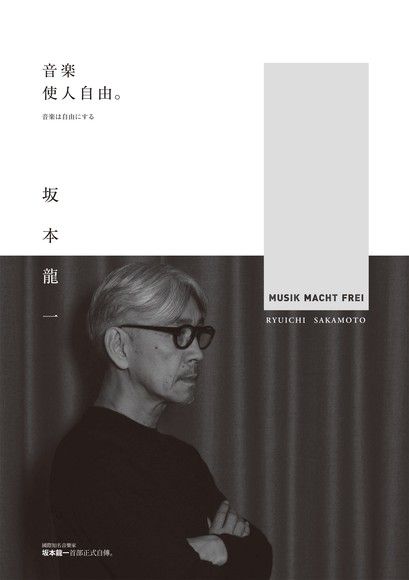
music makes you free
music makes you free
Regular price
MOP$127.00
Regular price
Sale price
MOP$127.00
Unit price
/
per
Couldn't load pickup availability
The first official autobiography by internationally renowned musician Ryuichi Sakamoto.
He personally recounts the first half of his life, with music constantly echoing through it.
The entire book is a selection from an extensive interview conducted over two years and two months.
"When I was a child, I often wondered how people knew 'what they wanted to be when they grew up'." — Ryuichi Sakamoto
Ryuichi Sakamoto personally describes his life and music, from his first composition experience in kindergarten, memories of his strict father, high school strikes, the wild years with YMO, the behind-the-scenes stories and glory of "The Last Emperor," the impact of the 9/11 terrorist attacks, and the formation of new music.
"In elementary school, I became fascinated with Bach's music, and then successively fell in love with Beethoven, Debussy, and so-called modern music. It felt like I was following the changes of the times, listening to these Western musical works. By the late 1960s, I gradually began to love the music that appeared in the same era as me. The history of Western music intertwined with my personal life, and I suddenly realized that I was in the same time as these composers. This also meant that I could resonate with the issues these musicians felt.
At this time, it was nearing the end of high school, and I was involved in the student movement, attempting to dismantle the systems of schools and society. Composers of the same era were also using extreme forms to break down existing musical systems and structures. At that time, I was always thinking that Western music had developed to its extreme, and we needed to liberate our hearing from the shackles of traditional music. That was the 'era of deconstruction'."
While Ryuichi Sakamoto recounts his past based on personal memories, readers can deeply feel the intertwined music and historical atmosphere of each period of his life throughout the text. For example, he experienced student protests and leftist movements in Japan in the late 1960s, the deconstruction and transformation of Western music, witnessed the 9/11 terrorist attacks, and the unprecedented destruction suffered by the Earth, which has prompted him in recent years to actively engage in environmental protection and promote world peace through music.
※This book includes many precious personal photos of the author, allowing readers to gain a more intimate understanding of Ryuichi Sakamoto's growth journey.
View full details
He personally recounts the first half of his life, with music constantly echoing through it.
The entire book is a selection from an extensive interview conducted over two years and two months.
"When I was a child, I often wondered how people knew 'what they wanted to be when they grew up'." — Ryuichi Sakamoto
Ryuichi Sakamoto personally describes his life and music, from his first composition experience in kindergarten, memories of his strict father, high school strikes, the wild years with YMO, the behind-the-scenes stories and glory of "The Last Emperor," the impact of the 9/11 terrorist attacks, and the formation of new music.
"In elementary school, I became fascinated with Bach's music, and then successively fell in love with Beethoven, Debussy, and so-called modern music. It felt like I was following the changes of the times, listening to these Western musical works. By the late 1960s, I gradually began to love the music that appeared in the same era as me. The history of Western music intertwined with my personal life, and I suddenly realized that I was in the same time as these composers. This also meant that I could resonate with the issues these musicians felt.
At this time, it was nearing the end of high school, and I was involved in the student movement, attempting to dismantle the systems of schools and society. Composers of the same era were also using extreme forms to break down existing musical systems and structures. At that time, I was always thinking that Western music had developed to its extreme, and we needed to liberate our hearing from the shackles of traditional music. That was the 'era of deconstruction'."
While Ryuichi Sakamoto recounts his past based on personal memories, readers can deeply feel the intertwined music and historical atmosphere of each period of his life throughout the text. For example, he experienced student protests and leftist movements in Japan in the late 1960s, the deconstruction and transformation of Western music, witnessed the 9/11 terrorist attacks, and the unprecedented destruction suffered by the Earth, which has prompted him in recent years to actively engage in environmental protection and promote world peace through music.
※This book includes many precious personal photos of the author, allowing readers to gain a more intimate understanding of Ryuichi Sakamoto's growth journey.