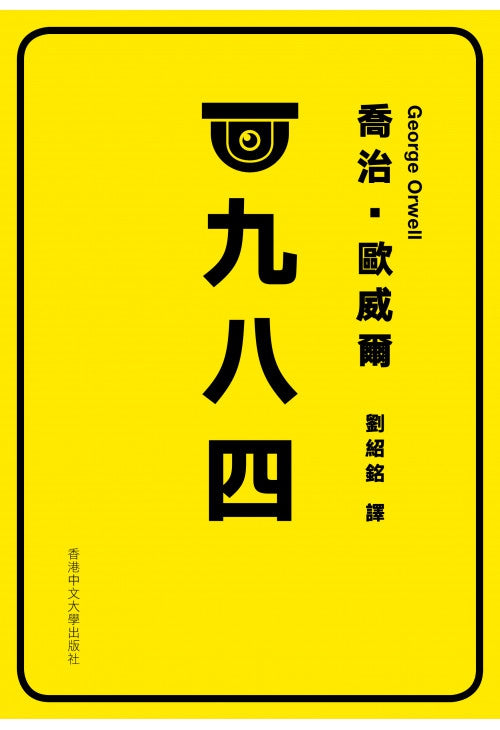

1984 (translated by Liu Shaoming)
1984 (translated by Liu Shaoming)
Couldn't load pickup availability
There are many dystopian written records in the form of novels, but among English works, George Orwell's *Nineteen Eighty-Four* and Aldous Huxley's *Brave New World* are probably the most famous and widely circulated.
*Nineteen Eighty-Four* depicts a world where Big Brother (representing the totalitarian ruler) is omnipresent. Through telescreens, the Thought Police are intimately aware of every move party members make. Children raised in this world are trained and instructed by the Party from an early age to monitor their parents' actions and report any discrepancies immediately.
Not only is familial affection eliminated, but love, friendship, and even the most basic human empathy are systematically eradicated by the authorities. The only permitted and encouraged love is love for Big Brother.
Through the various rebellious acts of Winston Smith, a character who still harbors lingering "reactionary thoughts," Orwell reflects the horrifying aspects of totalitarian politics that extinguish human conscience and mutilate human nature.
Needless to say, he ultimately fails, but his noble character can be summarized in his own words: "You are the lonely ghost who speaks the truth that no one can understand. But as long as you are willing to speak, no matter how hazy the situation, humanity can still endure. Others may not hear what you say, but as long as you yourself remain clear-headed, you preserve the tradition of humanity."
This is also the value of *Nineteen Eighty-Four*.