Skip to product information
1 of 8

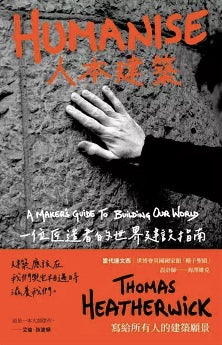
Human-Centered Architecture: A Builder's Guide to World-Making

Human-Centered Architecture: A Builder's Guide to World-Making

Regular price MOP$226.00
Regular price MOP$226.00 Sale price MOP$226.00
Sale Sold out / Pre-order
▌Challenging the Past: A Book on Architecture for Everyone ▌
How can architecture be more humane? How can it make people stop, socialize, and date?
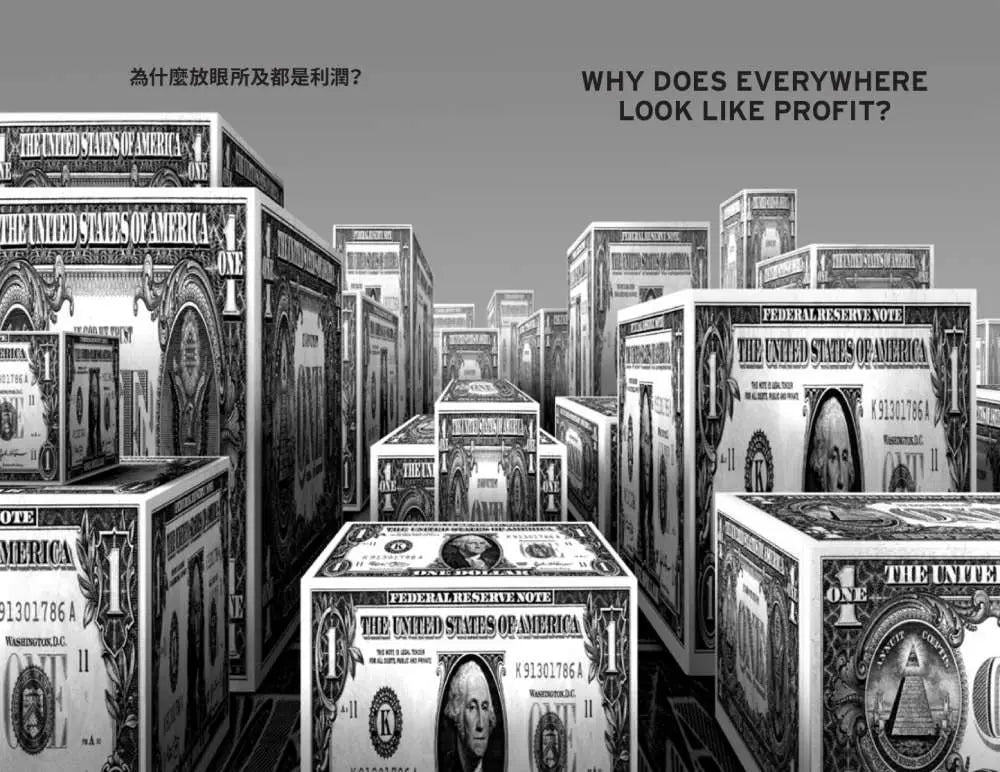
Looking around, architecture is all about profit and efficiency.
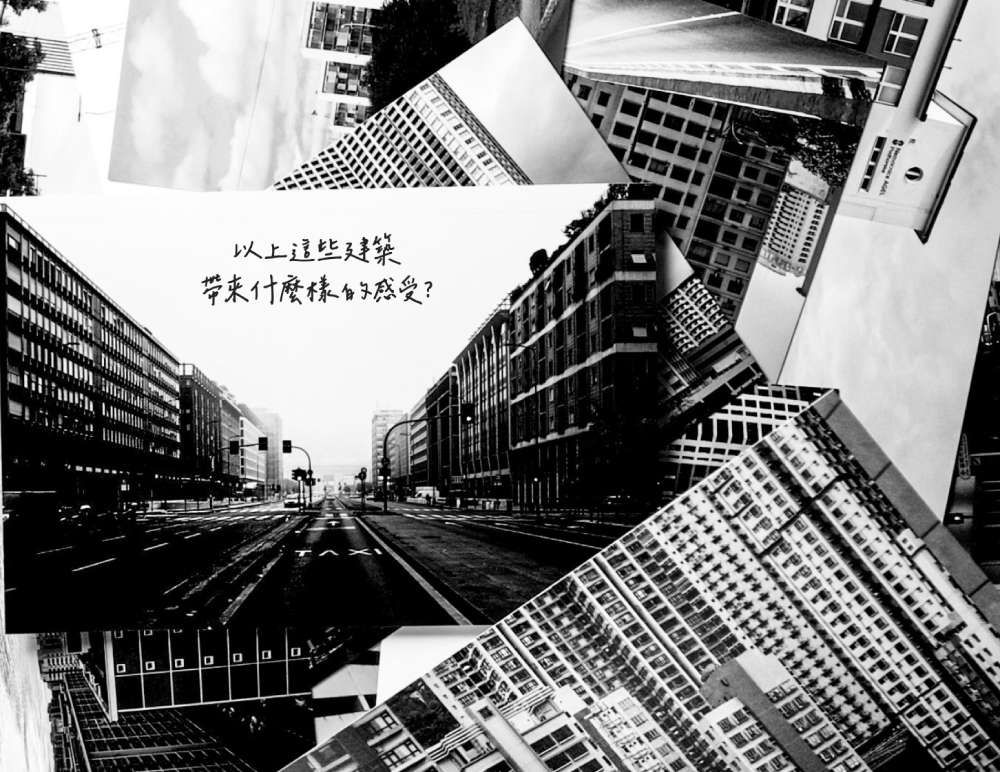
In major cities, buildings are all alike, with blurred identities.
  
Empire State Building | Taj Mahal | The Shard | Eiffel Tower | The Louvre | Sagrada Família
Why do they captivate the world's admiration?
Parkroyal Collection Pickering, Singapore | The Stables at 169-173 Euston Road, London | Burj Khalifa | Centre Pompidou
How do they achieve human-centered design in contemporary architecture?
 

● Understand the initial intentions, architectural training, and years of contemplation of design masters.
● Lead everyone to a profound re-evaluation of future architectural trends.

 
The latest work by British design genius and modern da Vinci, Thomas Heatherwick.
Heatherwick, the designer of the UK Pavilion at the 2010 Shanghai Expo, shot to fame with his "Seed Cathedral." He has won the Prince Philip Designers Prize, often called the "Oscars of British design," and the London Design Awards. For the Shanghai Expo UK Pavilion, he received the 2010 Lubetkin Prize from the Royal Institute of British Architects. Some hail him as a "modern da Vinci," while others call him a "British design genius." Yet, he describes himself as an inventor, known for his unique creativity and experimental designs. His design portfolio spans architecture, urban planning, furniture, and product design, often challenging existing design languages and technologies in unconventional and avant-garde ways.
 

A Vision for Architecture Dedicated to All, Expressing Core Ideas Through Visuals and Accessible Language.
"Humanizing Architecture" is Heatherwick's latest book, published in 2023, and his architectural manifesto articulating his design ethos and philosophy. Stepping outside the architectural comfort zone, he wrote this accessible book on architecture for everyone. He uses real city photos to expose the blurred face of contemporary cities; he analyzes the impact of architecture on human psychology with research from neuroscience and cognitive psychology; he uses concrete numbers to demonstrate the waste and environmental harm of poorly constructed buildings. He laments that our world is losing its humanity. Too many companies care more about shareholders than society; too many politicians care more about power than the people who vote for them; and too many cities feel soulless and oppressive because they are designed for commerce, not for us. Where can we find hope?
 
● Why, in the prosperous 21st century, do buildings in major cities all look the same, with blurred identities?
● Why are these similar buildings bland, indistinguishable, and easily forgotten?
● The Empire State Building, Taj Mahal, The Shard, Eiffel Tower, The Louvre, Sagrada Família, etc., are among the world's ten most beloved buildings. What makes them so universally adored?
● What is worse than demolishing a building just a few years after it was built, only to rebuild it?
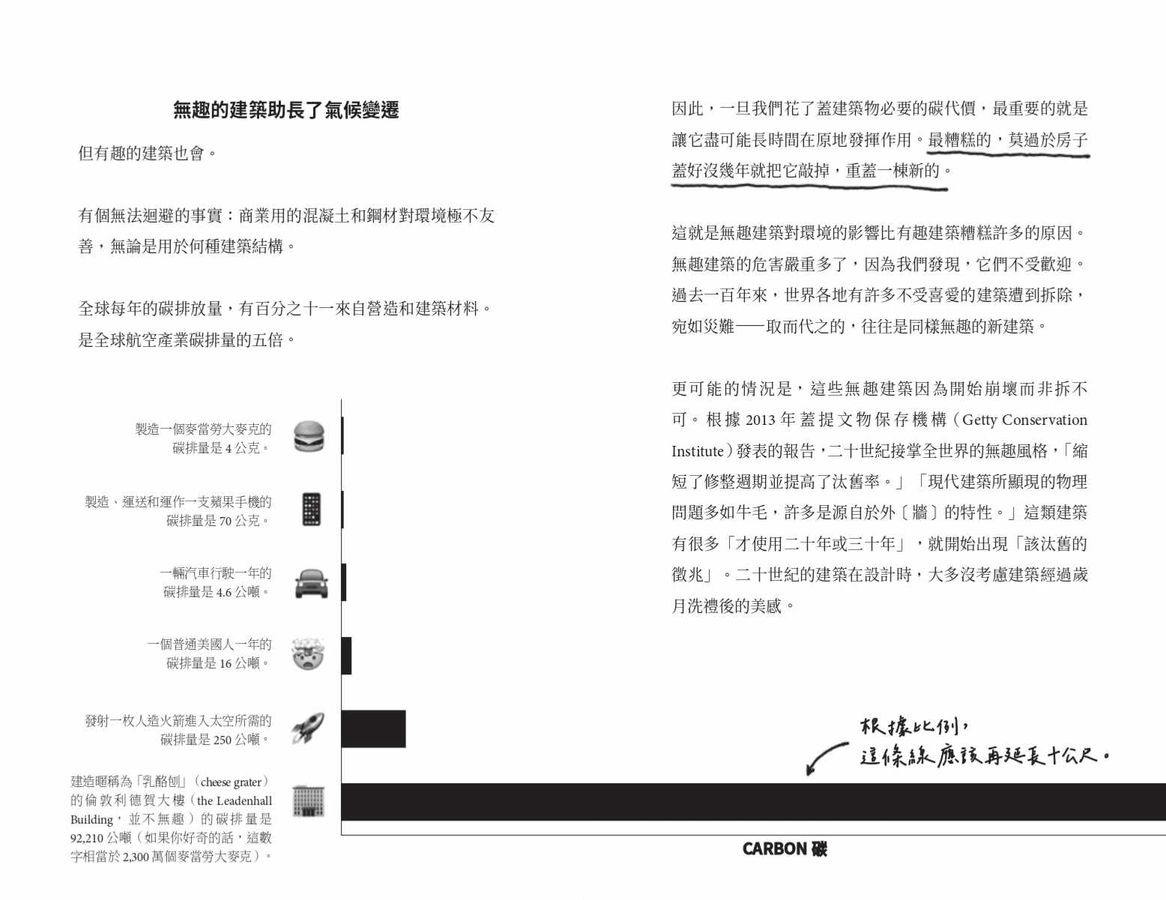
● Do you know the astonishing carbon emissions from global construction and building materials? Building the Leadenhall Building in London generated carbon emissions equivalent to 23 million McDonald's Big Macs!
● In 2021, China's construction industry produced 3.2 billion tons of waste, projected to rise to 4 billion by 2026. How environmentally destructive and harmful is haphazard construction to the world?
● In the 21st century, how do we judge the success of a building? By its cost? By rental income? By profit margins? Why is profit the sole focus? Why do uninspired buildings win due to higher profits?
● Does uninspired architecture make us sick, lonely, and afraid, while also being environmentally unsound and promoting division and conflict? Why is it imperative to re-humanize architecture without delay?
 
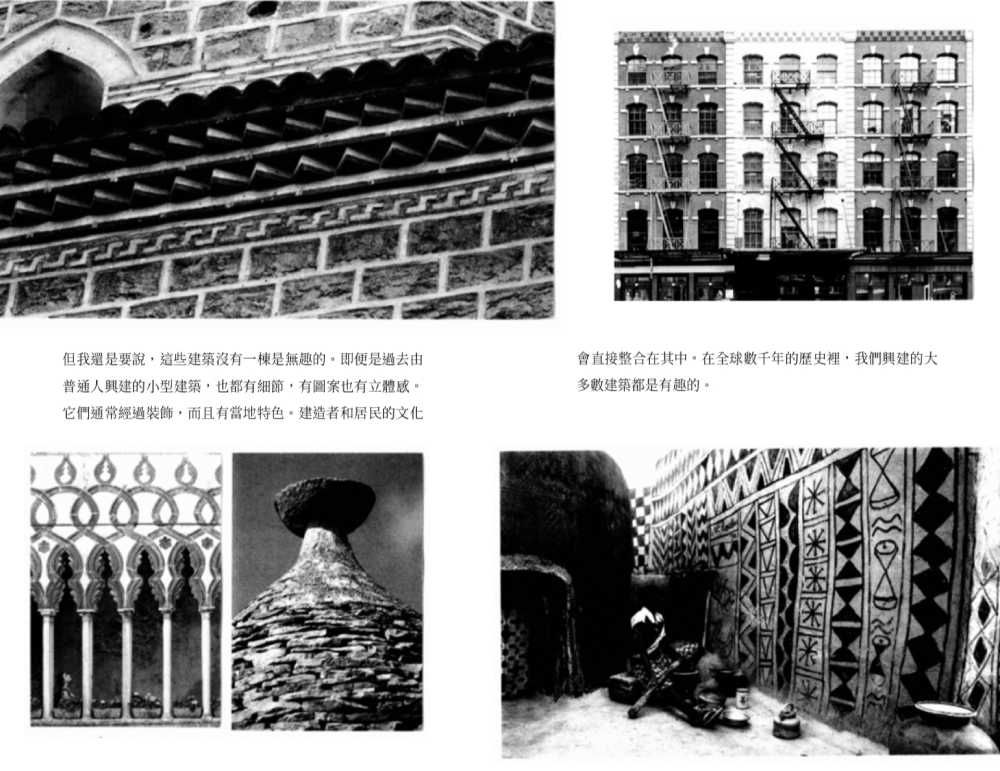
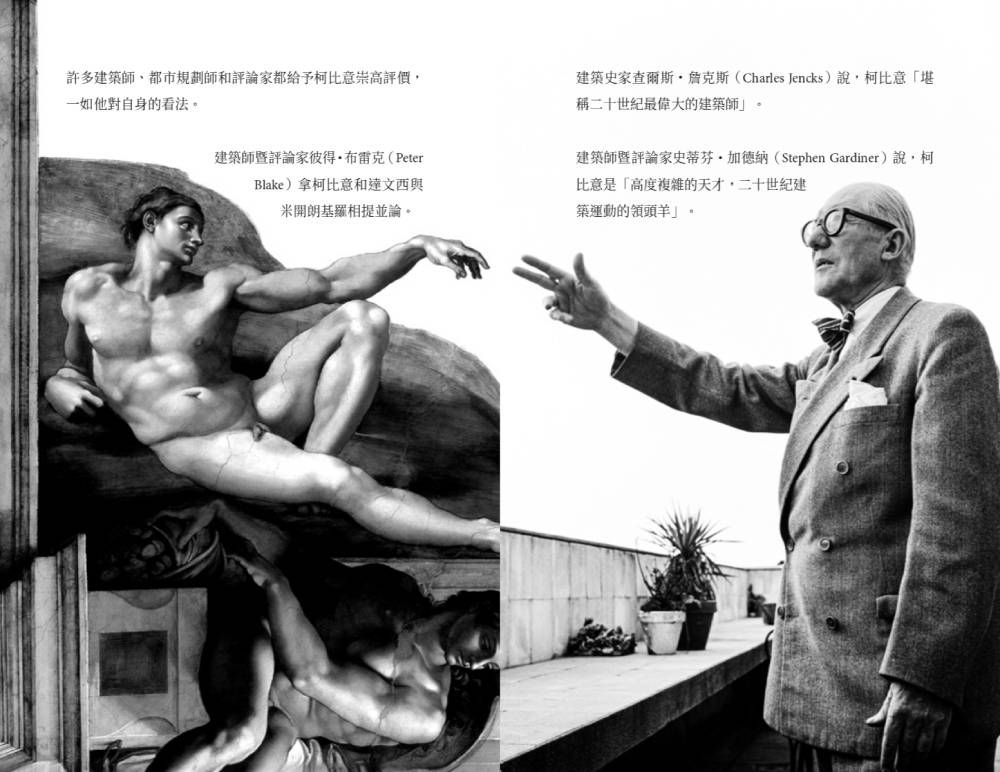
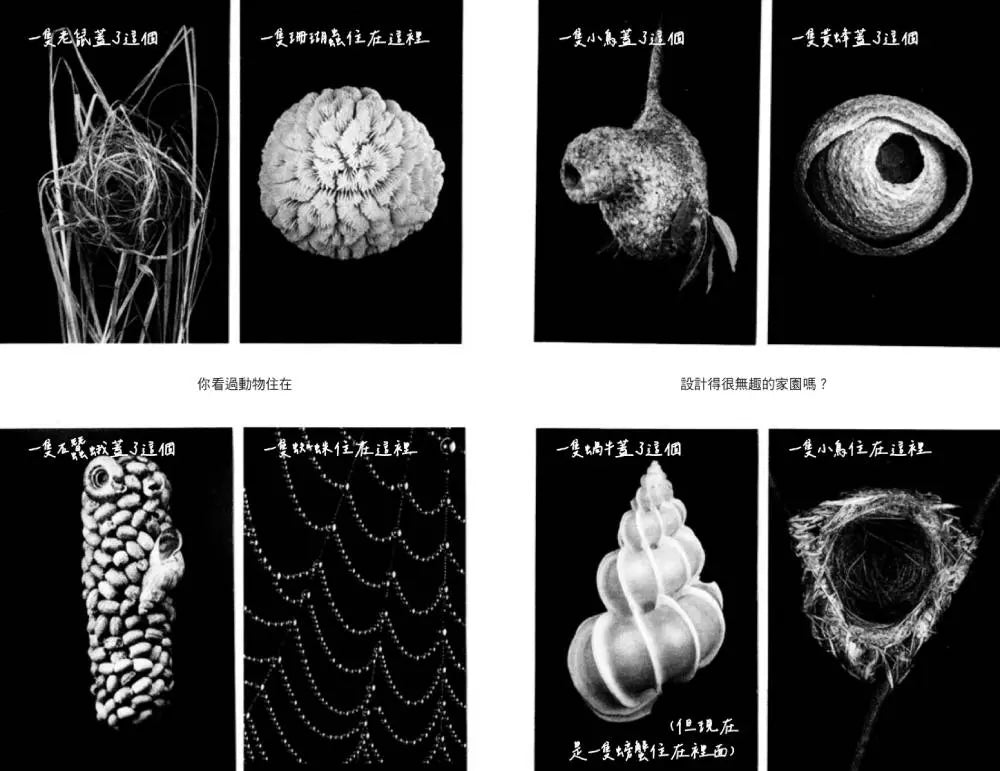
In the book, Heatherwick shares his design ideas, his learning process, his family background, and reviews interesting and distinctive buildings in world architecture, such as five-thousand-year-old reed-built meeting places in Iraq, Māori meeting houses in New Zealand, and beehive houses in Turkey. However, original local characteristics began to shift in the 20th century, rapidly taking over the world. He questions the ideas of modern architectural masters like Le Corbusier, Mies van der Rohe, Behrens, and Loos, and re-examines the training of contemporary architects, seeking new pathways. The book incorporates a wealth of visual materials, including abundant architectural photos and visual imagery, offering a completely visual, image-based reading experience with accessible language to encourage passers-by, architects, governments, developers, and contractors to collectively ponder and take action.
 
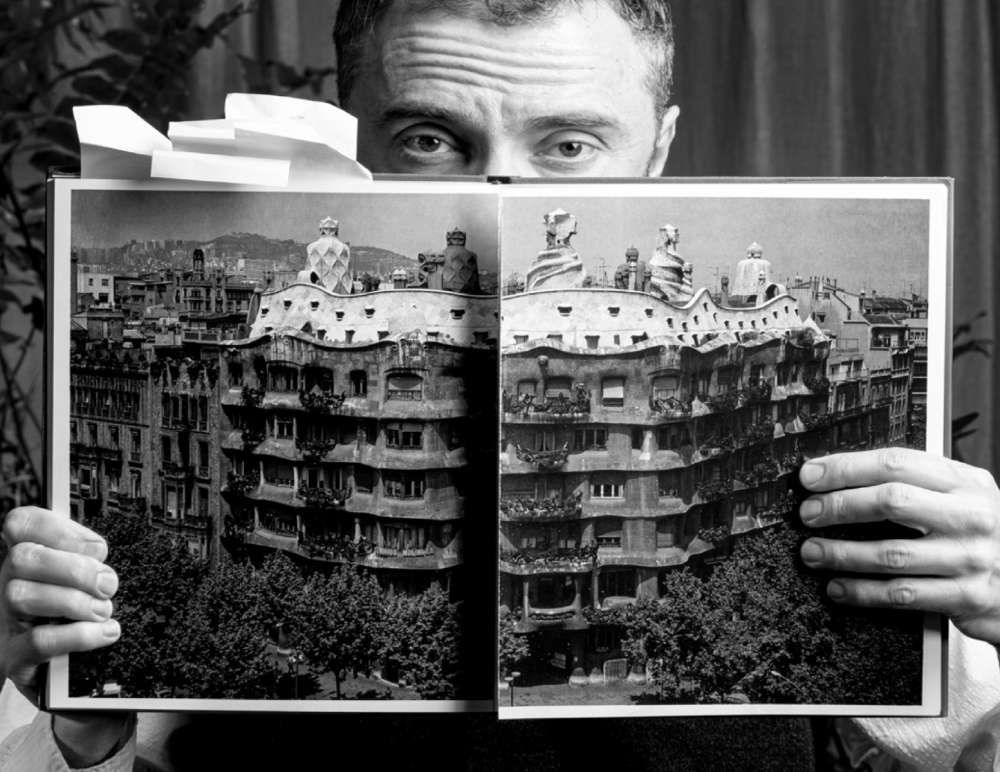
Gaudí's architecture caused a sensation in its time. News of Casa Milà's construction appeared in popular magazines, and while highly praised, Casa Milà violated several building codes: its height exceeded permitted limits, and the columns encroached beyond the sidewalk depth. Gaudí threatened that if forced to saw off the columns, he would erect a sign saying: "These missing columns were cut off by order of the city council." Ultimately, the columns were saved, but the government demanded a fine of 100,000 pesetas—a significant sum, only slightly less than Gaudí's design fee of 105,000 pesetas.
 
Standing on the other side of the busy intersection, I couldn't help but think that while Gaudí and his clients were creating a priceless treasure for the city, the authorities were fining him a huge sum. Although this building was a luxury apartment for the wealthy, I consider it a gift. Casa Milà is an act of extreme generosity. Selfish buildings only care about creating profit for their owners, disregarding the feelings of others. But Casa Milà extends an invitation to everyone who passes it daily, hoping to instill awe and bring smiles to our faces. Gaudí's Casa Milà and other buildings have now become tourist attractions, generating much wealth for the country. Even ignoring this aspect, the joy and happiness Casa Milà brings to hundreds of millions of ordinary passers-by are immeasurable. — Heatherwick
 
Discard efficient, boring architecture, inspire you to think about things you've never considered, and let architecture nourish the human spirit.
"Humanizing Architecture" has resonated with many ordinary readers who identify with Heatherwick's "human-centered design," especially the book's emphasis on design's impact on human emotions and social interaction. Many readers have expressed that this book has made them more aware of the deeper meaning behind design, beyond just appearance and function. It offers a unique perspective for designers, scholars, and general readers alike. It is not merely a book about design, but a profound reflection on how design influences human life, emotions, and social structures. For readers interested in understanding Heatherwick's design philosophy and delving into the human-centered thinking, emotional experience, and social responsibility behind design, this book undoubtedly provides rich material for thought and inspiration, as well as an opportunity to change the world. Welcome to the human-centered movement!

ISBN:9786267669044

出版:原點

作者:托馬斯‧海澤維克

分類:文字

View full details