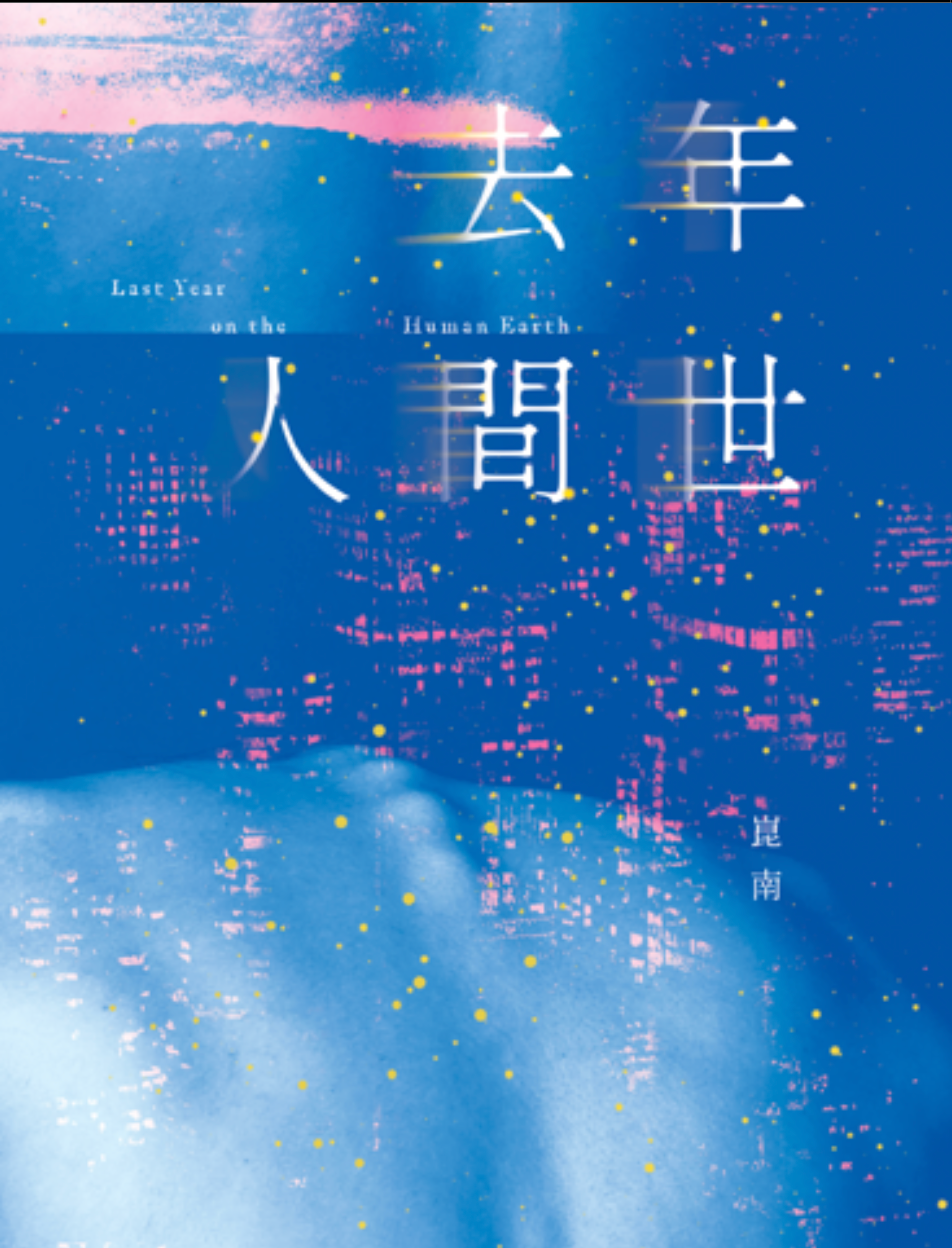

The Human World last year
The Human World last year
Couldn't load pickup availability
It was 40 years after "The Gate of Earth" that "Dancing Under Heaven" was published. With heaven and earth already explored, a sequel, focusing on humanity, was conceived. Twenty-four years have passed in the blink of an eye. Those long years were not imaginary; during that time, no matter how many times I experienced joy, the ensuing worries were always persistent. The fluctuations of desire, the erosion of old age and illness, and the sorrow brought by the times—dreams resisted constant gnawing, and it's fair to say that everything became bloody and blurry, almost revealing bones.
I can't recall who comforted me: "Only those who have endured countless hardships and remained standing truly experience happiness." My God, what a blatant lie. The lifelong happiness in Zola's eyes, it turns out, was the satisfaction of an unfinished state, something not to be revealed to outsiders. Dante, in his "Divine Comedy," likened the death of Beatrice to the ascension of Jesus, and I've read it. Thomas Mann's "Death in Venice" salvages a disappearing illusion from despair, a mere self-gratification. Three-fifths of Michelangelo's works in the cathedral are unfinished. He also stopped creating statues because he disliked following rules, believing that such "negative space" offered viewers more room for imagination. Cézanne often described himself as merely being in the process of a concept, never reaching fruition, because he believed that ideas themselves were constantly changing; what was painted today might be viewed differently tomorrow. In Balzac's novella, "The Unknown Masterpiece," the protagonist, the painter Frenhofer, tells a young admirer, "This is my lifelong masterpiece." Yet, in the end, all that appeared before his eyes was a blank canvas.
In the past, I intermittently recorded what I saw, thought, and heard—incomplete, even incoherent. Perhaps human experience, what one witnesses, undergoes, and becomes embroiled in, is similarly incomplete, even incoherent. The entire book, "Last Year in the Human World," intersperses quite a bit of English, certainly not to show off, but because the entire story unfolds in foreign lands, and all the characters are non-Chinese. Their thoughts and actions, expressed in their native languages, are perfectly normal. Those sections where I deliberately concentrated on erotic descriptions were purely to prevent certain moralizing, dark-eyed, yellow-skinned individuals from finding an opportunity to judge.
Given that my talent doesn't compare to the masters, my text is naturally even more incomplete, essentially just a pile of fragments. It could be said to be the scattered remnants of a brain's brief brilliance and eternal sorrow, a record preserved after the continuous mutual destruction of language and thought. The "you," "I," and "he" of the characters are placed in different visual positions for development, not merely a mirror image, but closer to a kaleidoscope assembled from snowflakes, achieving a virtually blissful and intoxicating realm. In that instant, I couldn't help but recall the final scene of Roman Polanski's film "The Ghost Writer": the protagonist is hit by a car, the pages of his manuscript scattering like butterflies in the clear sky, flying to an unknown destination at the end of the wind.
AI always answers me the same way: it has no emotions, no memories, it only speaks based on data. I believe that in the Age of Aquarius, flesh and blood can do the same, the only difference being "to be or not to be."