
1
/
of
1
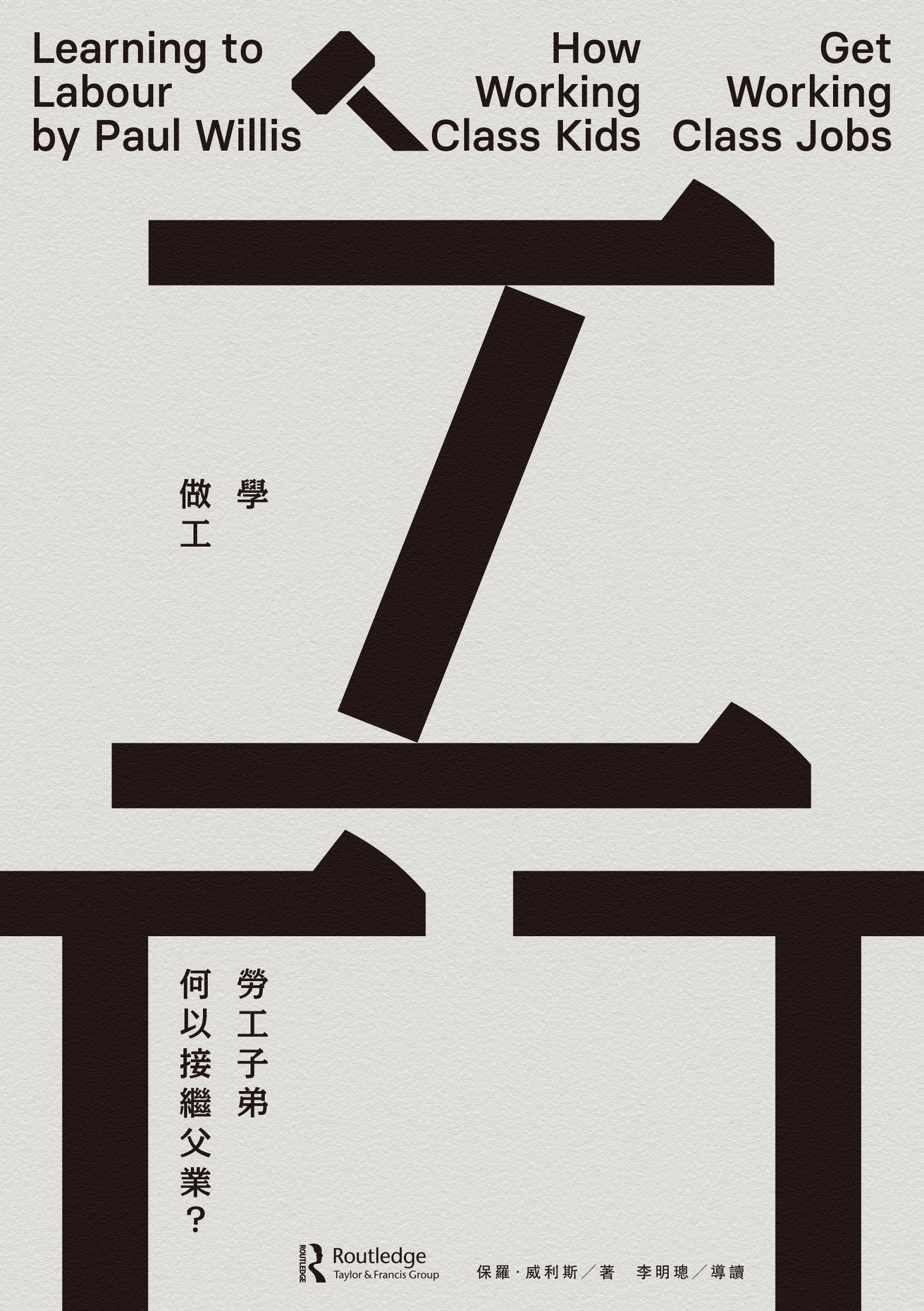
Learning a Trade: How Working-Class Children Inherit Their Parents' Occupations
Learning a Trade: How Working-Class Children Inherit Their Parents' Occupations
Regular price
MOP$160.00
Regular price
Sale price
MOP$160.00
Unit price
/
per
Couldn't load pickup availability
The difficult thing about explaining why middle-class kids get middle-class jobs is explaining how others enable them; the difficult thing about explaining why working-class kids get working-class jobs is explaining why they willingly accept their fate. —Paul Willis
.
"Learning to Labor" is a classic work that profoundly describes and analyzes the living conditions of the contemporary working class. When it was published forty years ago, it sparked immense cross-disciplinary responses, debates, subsequent research, and policy applications. The author employed anthropological ethnographic research methods, engaging in close participant observation of working-class youths' actual interactions in schools and communities, thereby yielding insightful reflections.
.
The entire book, which integrates theoretical and practical insights, consists of two main parts. The first part presents solid "field" data, including rich and engaging interview dialogues, empathetically portraying how working-class children, despite their rebelliousness, relatively autonomously find their "insightful" ways out amidst the pressures of authoritarian education and class discrimination. The second part connects rigorous and dense theoretical analysis, examining the seemingly "insightful" yet largely limited words, actions, and life choices of working-class children, and reflecting on how capitalist ideology paradoxically yet effectively perpetuates class conditions.
.
"Learning to Labor" attempts to clarify the paradoxical patterns of class mobility or reproduction, and raises sharp and fundamental questions: Do working-class offspring "voluntarily" choose to follow in their parents' footsteps, or are they forced to abandon opportunities for upward mobility, endlessly "learning" the culture of class reproduction? Looking at today's social structure where class conflicts are increasing rather than decreasing, the author's powerful questions from forty years ago still reflect the urgent call of the younger generation for equality and freedom.