
Human Nature Under Totalitarianism: Concentration Camps and Dystopias in Literature
Human Nature Under Totalitarianism: Concentration Camps and Dystopias in Literature
Couldn't load pickup availability
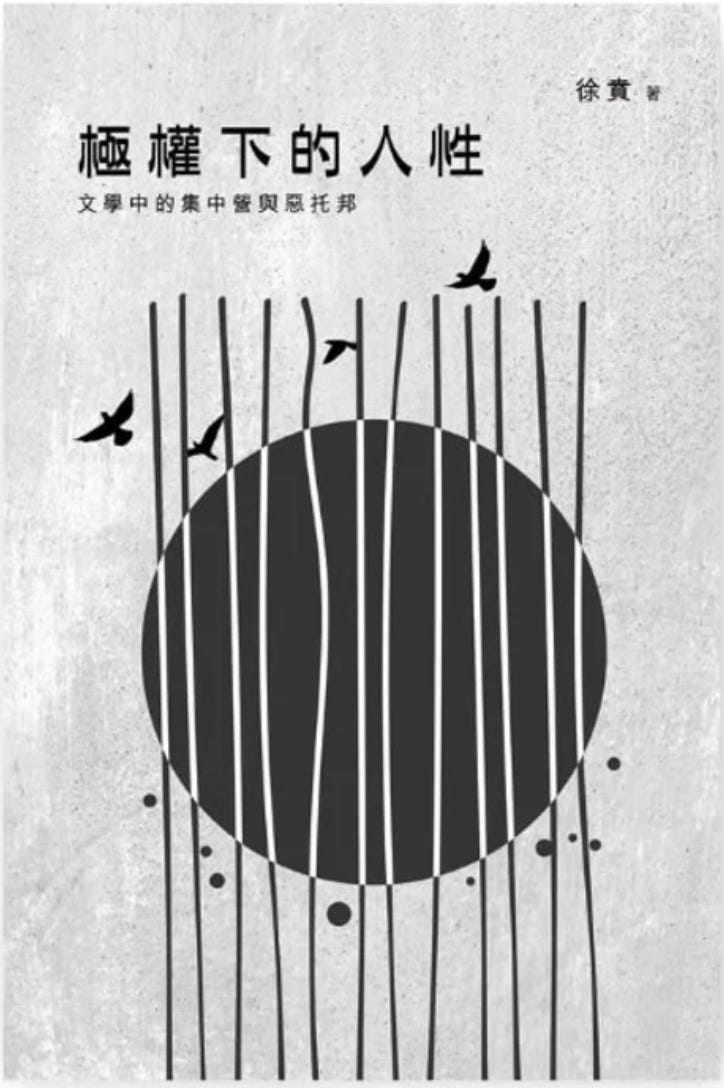
Following his bestselling book "The History of Tyranny," Professor Xu Ben uses "humanity under totalitarianism" as a guiding thread, weaving together real history and fictional novels, to write his latest masterpiece, "Humanity Under Totalitarianism: Concentration Camps and Dystopias in Literature."
The book is divided into two parts: In Chapters 1 to 5, the author focuses on concentration camp literature, analyzing how these "hells on earth" created by totalitarian governments throughout history distorted the humanity of everyone within them – whether the abusive guards or the tormented prisoners – through works written by survivors of Nazi German concentration camps and Soviet-era gulags.
In Chapters 6 to 8, the author jumps from realistic literature based on history to alternate history, exploring the world of fictional dystopian societies. He examines the mutations in human nature among people living under dystopian societies created by totalitarian governments, and how the protagonists rise up in resistance.
Concentration camps and dystopias may seem unrelated, but from the author's perspective, one suddenly realizes they are both "products of totalitarianism": concentration camps are a concentrated version of totalitarian society, while dystopias are the societalization of concentration camps. By reading this book, readers can, on the one hand, deeply experience the suffering of humanity within concentration camps and dystopias, and understand their characteristics and impact; on the other hand, and most importantly, they will grasp the cautionary advice issued to us by concentration camp survivor authors and dystopian novelists: absolutely prevent the emergence of totalitarianism, avoid repeating past mistakes, and spare humanity from further harm.