
Record of Monsters and Demons: Spirits in Confinement During the Cultural Revolution
Record of Monsters and Demons: Spirits in Confinement During the Cultural Revolution
Couldn't load pickup availability
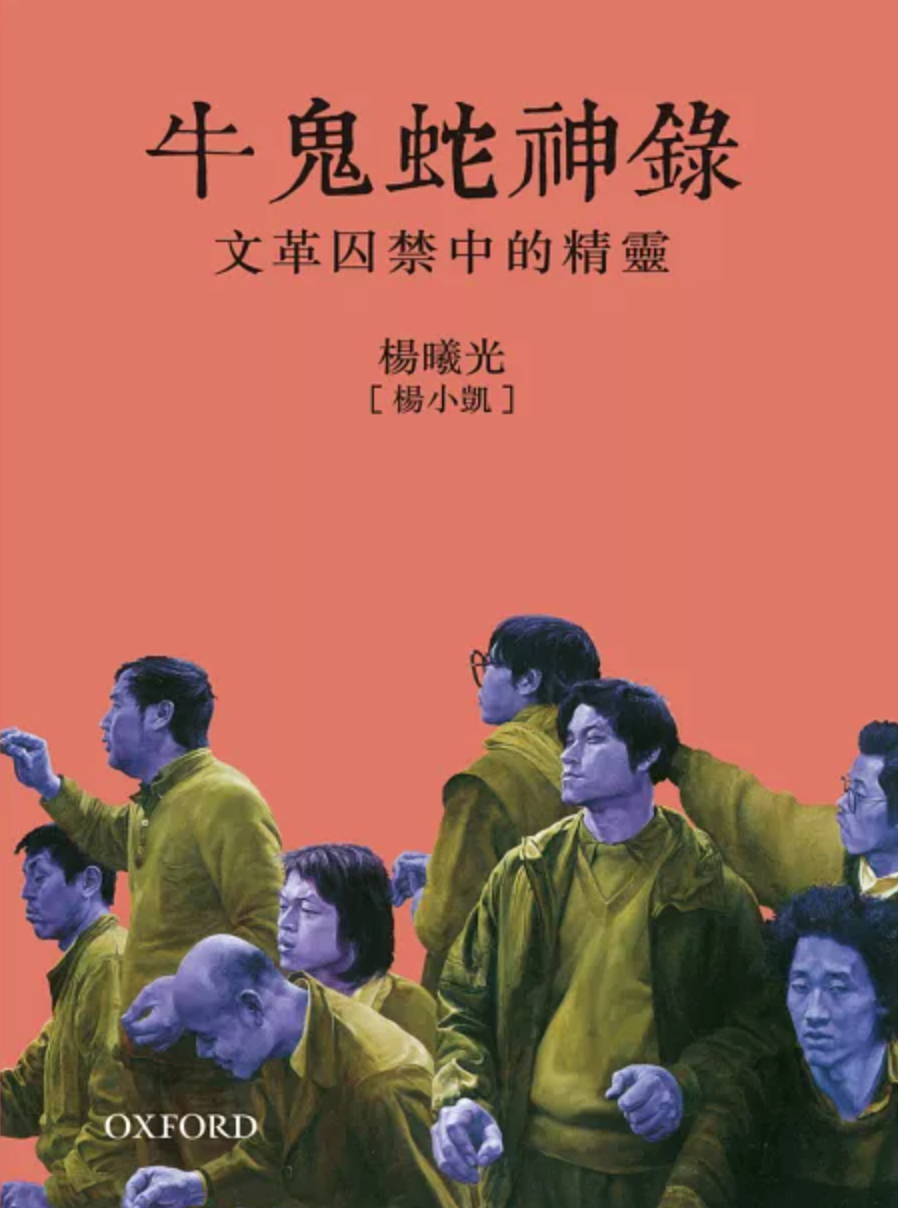
The first edition of this book was published in 1994. Critics said, "Among memoirs about the Cultural Revolution, The Record of Monsters and Demons is the most peculiar. No, peculiar isn't enough; the more accurate word is soul-stirring."
The book's themes are: "Can an opposition movement formed by secret societies succeed in China, and what role did it play in the Cultural Revolution?" Related questions are, "The countless underground parties were very active during the Cultural Revolution, but why couldn't they seize that excellent opportunity to make some progress?" Sensitive readers can find even more such themes, and the reason these conflicting concepts can be integrated into one book is that the author, Yang Xiguang himself, is full of contradictions. He came from a family of high-ranking cadres, received a good education from childhood, and all his friends and relatives were conservatives during the Cultural Revolution. Therefore, he understood the Communist Party conservatives very well, especially having deep sympathy for those "Lian Dong" elites, but at the same time, he was an extreme rebel. While imprisoned, he had good relationships with Kuomintang elites, rebels, conservative elites, elites educated in the Soviet style, and elites educated in the American style, as well as ordinary people from the lower classes. This is the reason for the complexity and diversity of this book.
Each chapter in this book is about the story of one or two prisoners in China's Gulag Archipelago. Among them are leaders of underground opposition parties, entrepreneurs engaged in free economic activities not permitted by the authorities, pickpockets, robbers, various dissidents, persecuted religious believers and writers, and high-ranking officials and dignitaries from the Kuomintang era.
There aren't many stories about Yang Xiguang himself here, but through Yang Xiguang's eyes, readers will see how the diverse spirits in China's Gulag Archipelago remolded Yang Xiguang's soul. Due to Yang Xiguang's unique political understanding and his sensitivity, readers will be exposed to some unique and profound aspects of Chinese political prisoners at that time through his eyes.