
1
/
of
1
beautiful dynamite ugly
beautiful dynamite ugly
Regular price
MOP$133.00
Regular price
Sale price
MOP$133.00
Unit price
/
per
Couldn't load pickup availability
Chief editor of a legendary Japanese magazine, founder of "erotic" publications and "Shashin Jidai" (Photography Age)
He single-handedly sparked the 1970s erotic culture trend, overturning the definitions of erotica and photography.
He collaborated with Nobuyoshi Araki to create a new look for Japanese photography magazines, ushering in an unparalleled "Photography Age."
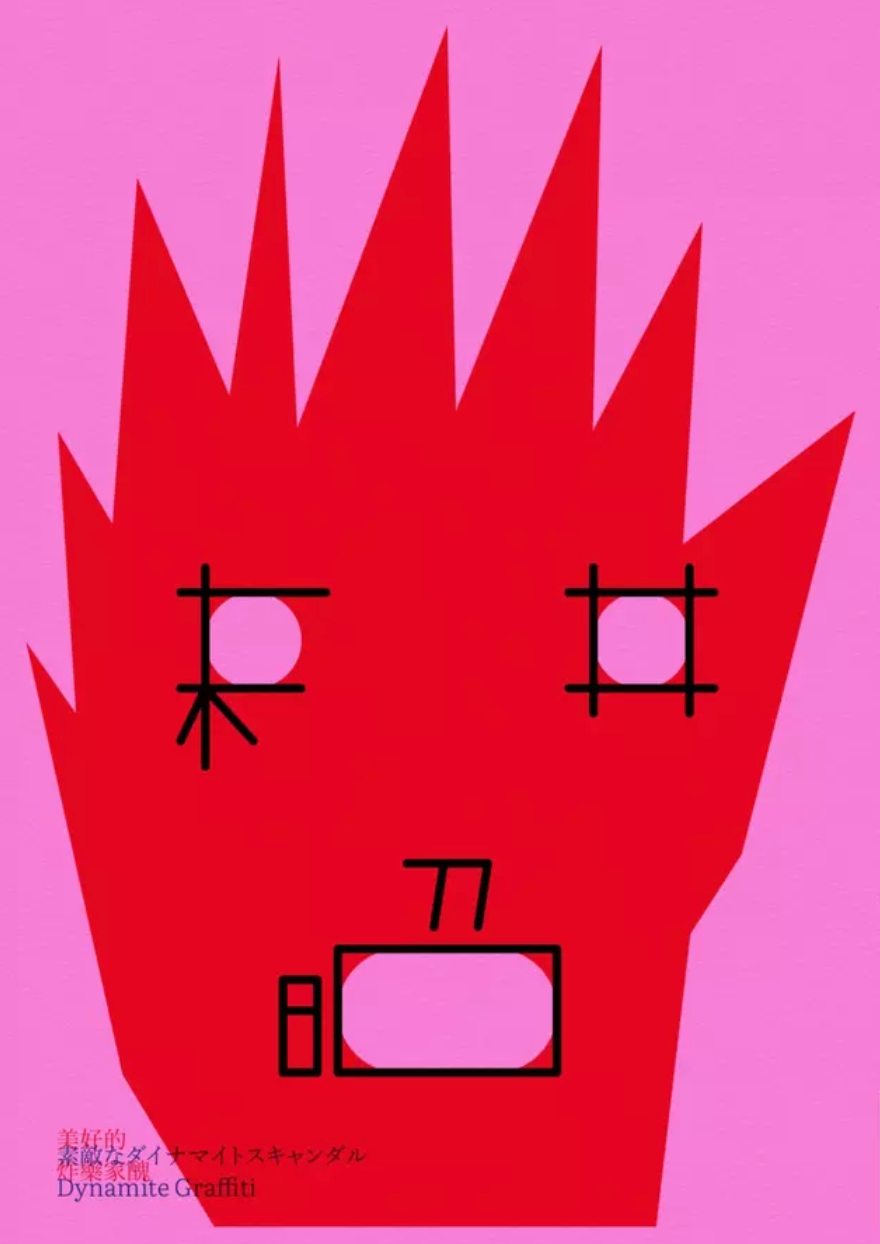
Art can be explosive at times, but for me, it was my mother who exploded.
Akira Suei was born in Okayama Prefecture, Japan. His father worked in a mine, and his mother suffered from tuberculosis and was hospitalized for a long time, causing him to be ostracized by his classmates, leading to a gloomy and solitary personality. After his incurably ill mother was discharged from the hospital, she had relationships with several men. One day, after an argument with his father, she left home and soon after committed suicide with a neighbor with whom she was having an affair, by embracing him and detonating explosives. This suicide had a profound impact on him.
He excelled in his studies and chose to specialize in mechanical engineering in high school. After graduating, he left the Osaka factory due to his aversion to mechanical shift work and joined Mitsubishi Heavy Industries in Kawasaki. During this time, he saw a "Japan-US Calligraphy Correspondence Course," and as he had loved drawing since childhood, he began to study illustration, aspiring to become a graphic designer. Three months later, he enrolled in Aoyama Design School, but soon after, student movements erupted, forcing the school to suspend classes.
Akira Suei was deeply attracted to anti-modern design, admiring the works of Tadanori Yokoo and Kiyoshi Awazu. What many designers disdained—nightclub and pink film billboards—he found deeply appealing, leading him to join a chain of nightclubs to design promotional flyers and posters. He injected a full measure of damp eroticism into these designs to counter modernist design and planned to submit his unconventional new work, "Naive Girls Picking Mushrooms," to "Nisshinsan," an organization established to cultivate a new generation of post-war designers, but his dream was ultimately shattered by the unrest. Through a friend's introduction, he began painting billboards for a pink salon in Ikebukuro. Due to his outstanding style, commissions poured in, and his works lined the entire romantic street. From then on, he generously frequented entertainment venues.
His mother's "explosion" launched his editorial career for "Cave Love."
Writers, poets, artists, illustrators, and political commentators all made appearances, subverting traditional adult magazines.
Although his drawing skills became increasingly refined, Akira Suei no longer found any meaning or ideas in design. Just as he was about to give up, a photographer friend recommended him to illustrate for "YOUNG V," thus beginning a ten-year involvement with adult publications. He was swamped with work, from cover design, layout, interviews, and dramatic illustrations to comics. At the same time, he began to undertake the design and production of sealed pocket magazines. In 1975, at the invitation of Shintaro Morishita, he became the chief editor and publisher of the adult magazine "NEW SELF." Its clean layout, phototypeset headlines, and entire gravure printing were unprecedented attempts in adult publications at the time. Afterwards, anti-establishment innovations continued, shifting the readership from laborers to students.
Beyond publishing nude photographs, "NEW SELF" introduced a refreshing innovation by inviting extraordinary individuals from various fields to contribute. Komimasa Tanaka wrote essays, Kōzaburō Arashiyama penned a column titled "Sex Life Improvement Course," Shinbō Minami created illustrations, Yūtokutaiji Akiyama conducted interviews, Kan Mikami and Fukuo Ikeda engaged in dialogues, Genpei Akasegawa wrote stories about typists' sexual encounters, and Nobuyoshi Araki, Mizumaru Anzai, Seiichi Hayashi, Shintarō Kō, Noritsugu Tomokawa, Shiro Yasuzuki, Masaaki Hiraoka, Kōichi Makiue, Tatsu Okunari, Kunio Hase, Mitsuhiko Yoshida, Chie Funachi, Reiko Tsutsumi, and others also participated. Constantly challenging taboos, "NEW SELF" was banned three times and officially ceased publication after nineteen issues. Akira Suei not only transformed erotic publications into professional magazines but also witnessed three waves of qualitative change in adult magazines.
Akira Suei believed that erotic magazines were based on men's unilateral fantasies about women. Although Nobuyoshi Araki's photographs outwardly catered to men, they actually conveyed women's self-awareness. This female perspective, which hindered the male gaze, subverted previous erotic publications. After "NEW SELF" ended, he borrowed from Godard's film "Weekend" to found "Weekend Super," which integrated film, entertainment, and erotica. Its inaugural issue was launched in the spring of 1977, with a sales rate exceeding 80%, once again igniting the 1970s erotic cultural trend and receiving widespread acclaim.
Nobuyoshi Araki's photographic enlightenment and the founding of the avant-garde photography magazine "Shashin Jidai"
Leading photographers and designers such as Daido Moriyama, Kishin Shinoyama, Tadanori Yokoo, and Hisashi Kimura all contributed.
Nobuyoshi Araki praised Akira Suei with the timeless adage, "It's not about the current, but about one's own flow. One's own flow is the true current." Nobuyoshi Araki was not only the initiator of Akira Suei's photographic theory but also his most important business partner throughout his life. Every new publication featured Araki's self-promotion, and their close collaboration extended to numerous book publications. Akira Suei's magazine history is almost synonymous with Nobuyoshi Araki's rise to photographic fame.
In 1981, he launched the avant-garde photography magazine "Shashin Jidai" (Photography Age), co-named with Nobuyoshi Araki. Araki, unprecedentedly, serialized three columns simultaneously in the magazine. Important contemporary photographers such as Shōmei Tōmatsu, Daido Moriyama, Kikuji Kawada, Issei Suda, Seiji Kurata, Miyako Ishiuchi, Keizō Kitajima, Kōhei Yoshiyuki, Hajime Sawatari, Kishin Shinoyama, Masatoshi Naitō, and Michio Yamauchi also published their works in it. The magazine also became a platform for designers and artists like Genpei Akasegawa, Toshio Saeki, Tarō Okamoto, Tadanori Yokoo, Mizumaru Anzai, and Hisashi Kimura to express their unique perspectives. Its undefinable, diverse style overturned public preconceptions about erotic publications. Akira Suei and Nobuyoshi Araki ushered in an era. "Shashin Jidai," a legend in the history of Japanese photography magazines with a circulation exceeding 350,000 copies, was, however, accused of being excessively erotic and obscene in 1988, forced to cease publication, and became history.
View full details
He single-handedly sparked the 1970s erotic culture trend, overturning the definitions of erotica and photography.
He collaborated with Nobuyoshi Araki to create a new look for Japanese photography magazines, ushering in an unparalleled "Photography Age."
Art can be explosive at times, but for me, it was my mother who exploded.
Akira Suei was born in Okayama Prefecture, Japan. His father worked in a mine, and his mother suffered from tuberculosis and was hospitalized for a long time, causing him to be ostracized by his classmates, leading to a gloomy and solitary personality. After his incurably ill mother was discharged from the hospital, she had relationships with several men. One day, after an argument with his father, she left home and soon after committed suicide with a neighbor with whom she was having an affair, by embracing him and detonating explosives. This suicide had a profound impact on him.
He excelled in his studies and chose to specialize in mechanical engineering in high school. After graduating, he left the Osaka factory due to his aversion to mechanical shift work and joined Mitsubishi Heavy Industries in Kawasaki. During this time, he saw a "Japan-US Calligraphy Correspondence Course," and as he had loved drawing since childhood, he began to study illustration, aspiring to become a graphic designer. Three months later, he enrolled in Aoyama Design School, but soon after, student movements erupted, forcing the school to suspend classes.
Akira Suei was deeply attracted to anti-modern design, admiring the works of Tadanori Yokoo and Kiyoshi Awazu. What many designers disdained—nightclub and pink film billboards—he found deeply appealing, leading him to join a chain of nightclubs to design promotional flyers and posters. He injected a full measure of damp eroticism into these designs to counter modernist design and planned to submit his unconventional new work, "Naive Girls Picking Mushrooms," to "Nisshinsan," an organization established to cultivate a new generation of post-war designers, but his dream was ultimately shattered by the unrest. Through a friend's introduction, he began painting billboards for a pink salon in Ikebukuro. Due to his outstanding style, commissions poured in, and his works lined the entire romantic street. From then on, he generously frequented entertainment venues.
His mother's "explosion" launched his editorial career for "Cave Love."
Writers, poets, artists, illustrators, and political commentators all made appearances, subverting traditional adult magazines.
Although his drawing skills became increasingly refined, Akira Suei no longer found any meaning or ideas in design. Just as he was about to give up, a photographer friend recommended him to illustrate for "YOUNG V," thus beginning a ten-year involvement with adult publications. He was swamped with work, from cover design, layout, interviews, and dramatic illustrations to comics. At the same time, he began to undertake the design and production of sealed pocket magazines. In 1975, at the invitation of Shintaro Morishita, he became the chief editor and publisher of the adult magazine "NEW SELF." Its clean layout, phototypeset headlines, and entire gravure printing were unprecedented attempts in adult publications at the time. Afterwards, anti-establishment innovations continued, shifting the readership from laborers to students.
Beyond publishing nude photographs, "NEW SELF" introduced a refreshing innovation by inviting extraordinary individuals from various fields to contribute. Komimasa Tanaka wrote essays, Kōzaburō Arashiyama penned a column titled "Sex Life Improvement Course," Shinbō Minami created illustrations, Yūtokutaiji Akiyama conducted interviews, Kan Mikami and Fukuo Ikeda engaged in dialogues, Genpei Akasegawa wrote stories about typists' sexual encounters, and Nobuyoshi Araki, Mizumaru Anzai, Seiichi Hayashi, Shintarō Kō, Noritsugu Tomokawa, Shiro Yasuzuki, Masaaki Hiraoka, Kōichi Makiue, Tatsu Okunari, Kunio Hase, Mitsuhiko Yoshida, Chie Funachi, Reiko Tsutsumi, and others also participated. Constantly challenging taboos, "NEW SELF" was banned three times and officially ceased publication after nineteen issues. Akira Suei not only transformed erotic publications into professional magazines but also witnessed three waves of qualitative change in adult magazines.
Akira Suei believed that erotic magazines were based on men's unilateral fantasies about women. Although Nobuyoshi Araki's photographs outwardly catered to men, they actually conveyed women's self-awareness. This female perspective, which hindered the male gaze, subverted previous erotic publications. After "NEW SELF" ended, he borrowed from Godard's film "Weekend" to found "Weekend Super," which integrated film, entertainment, and erotica. Its inaugural issue was launched in the spring of 1977, with a sales rate exceeding 80%, once again igniting the 1970s erotic cultural trend and receiving widespread acclaim.
Nobuyoshi Araki's photographic enlightenment and the founding of the avant-garde photography magazine "Shashin Jidai"
Leading photographers and designers such as Daido Moriyama, Kishin Shinoyama, Tadanori Yokoo, and Hisashi Kimura all contributed.
Nobuyoshi Araki praised Akira Suei with the timeless adage, "It's not about the current, but about one's own flow. One's own flow is the true current." Nobuyoshi Araki was not only the initiator of Akira Suei's photographic theory but also his most important business partner throughout his life. Every new publication featured Araki's self-promotion, and their close collaboration extended to numerous book publications. Akira Suei's magazine history is almost synonymous with Nobuyoshi Araki's rise to photographic fame.
In 1981, he launched the avant-garde photography magazine "Shashin Jidai" (Photography Age), co-named with Nobuyoshi Araki. Araki, unprecedentedly, serialized three columns simultaneously in the magazine. Important contemporary photographers such as Shōmei Tōmatsu, Daido Moriyama, Kikuji Kawada, Issei Suda, Seiji Kurata, Miyako Ishiuchi, Keizō Kitajima, Kōhei Yoshiyuki, Hajime Sawatari, Kishin Shinoyama, Masatoshi Naitō, and Michio Yamauchi also published their works in it. The magazine also became a platform for designers and artists like Genpei Akasegawa, Toshio Saeki, Tarō Okamoto, Tadanori Yokoo, Mizumaru Anzai, and Hisashi Kimura to express their unique perspectives. Its undefinable, diverse style overturned public preconceptions about erotic publications. Akira Suei and Nobuyoshi Araki ushered in an era. "Shashin Jidai," a legend in the history of Japanese photography magazines with a circulation exceeding 350,000 copies, was, however, accused of being excessively erotic and obscene in 1988, forced to cease publication, and became history.