
ASEAN on the tip of the tongue
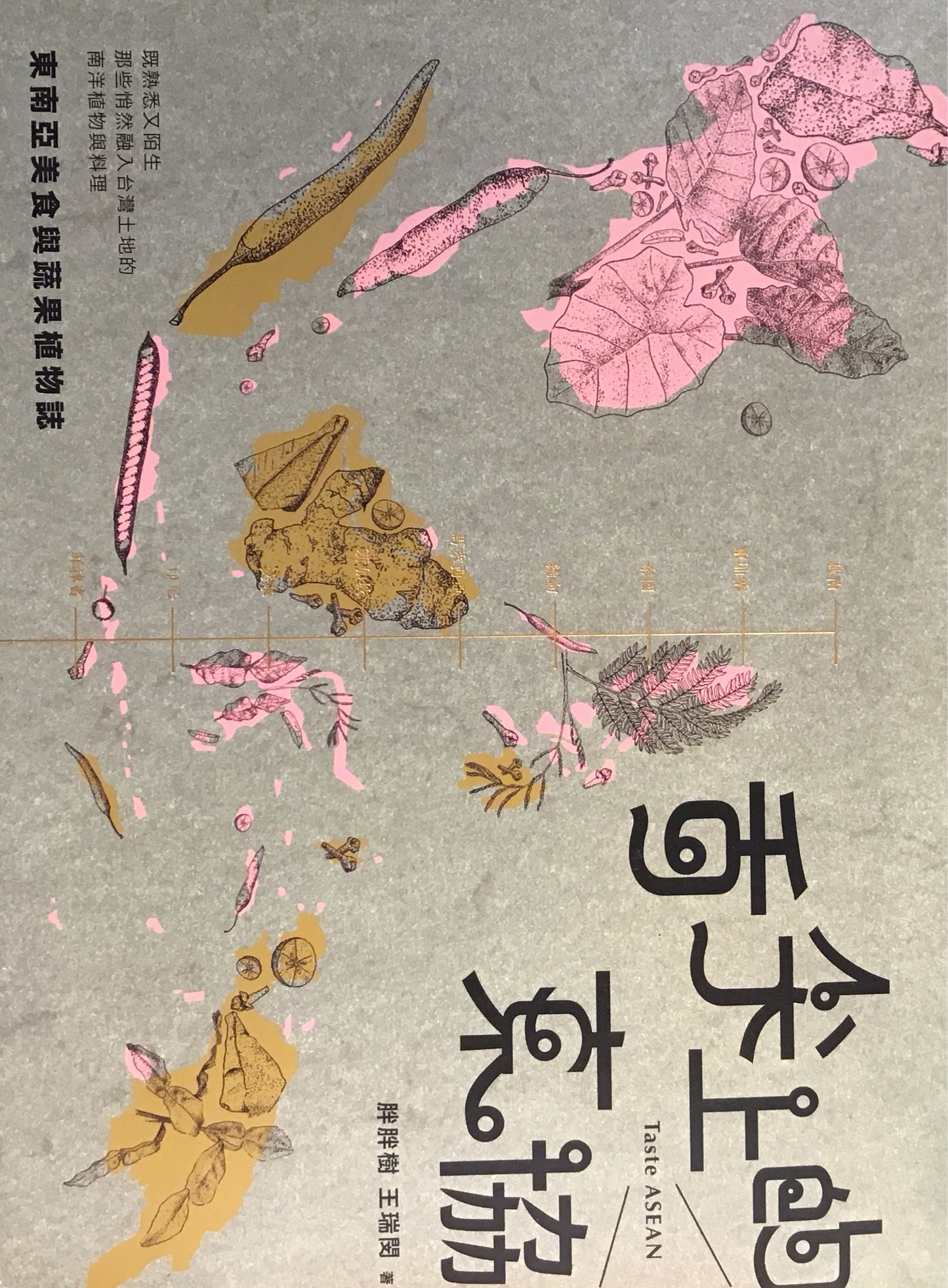
ASEAN on the tip of the tongue
Couldn't load pickup availability
Hidden in the alleys of Taiwan are various exotic flavors: Thai cuisine, Vietnamese restaurants, Burmese eateries, Indonesian fast food… you can find very authentic, mouth-watering small shops. These restaurants all seem to have been open for a long time, possibly over ten years. And the owners are often from the origin country of the cuisine, speaking with thick accents. In addition, there are those unfamiliar products on the vegetable stalls in places like ASEAN Square, Huaxin Street Market, and Zhongzhen Market, which are so-called emerging Southeast Asian herbs or fruits and vegetables. When and how did the cuisines of these countries take root in Taiwan?
If taste is the key to unlocking human memory, then hometown cuisine is a good remedy for homesickness. To taste the flavors of their homeland in a foreign land, early new immigrants brought a few easily propagated spice plants and vegetables from their hometowns, planting them in pots on balconies, rooftops, or in yards, just like flowers. For decades, these Vietnamese, Thai, Burmese, and Indonesian dishes have quietly integrated into our lives through food, becoming an indispensable piece of Taiwan's cultural puzzle.
How do you order food at Indonesian and Filipino restaurants, what are some advanced Vietnamese dishes? And Burmese cuisine, it turns out, is disguised as Thai cuisine? Botanist Panpan Shu will begin by discussing the food and historical culture of various ASEAN countries, then return to representative Southeast Asian markets and communities throughout Taiwan to seek out ASEAN flavors. The book interspersed with over a hundred plant illustrations, introducing the ecological characteristics, edible uses, and applications of these Southeast Asian fruits, vegetables, and spices. He hopes to share with everyone, from markets, fields, and dining tables, how he came to understand ASEAN from the perspectives of food and plants.
ISBN:9789864084593
出版:麥浩斯
作者:胖胖樹
分類:Text
選書:Book Exhibition ── How About I Cook You Some Noodles: Selected Books on Food, Life, and Culture, 即將到貨及可預訂商品